LOOM Studio — Hero
AI video and imagery production agency campaign showreel — LOOM Studio

LOOM Studio

The AI video & imagery production agency led by award-winning designers

The Next Gen Creative Studio. Powered by AI.

At LOOM Studio creative direction comes first. AI powers our work, it doesn't define it. Led by award-winning designers, we make editorial campaign content that used to be impossible to shoot.

LOOM Studio — services

Our services

The creative that
couldn't be made — made.

We produce campaign-grade video and imagery for brands that expect more.

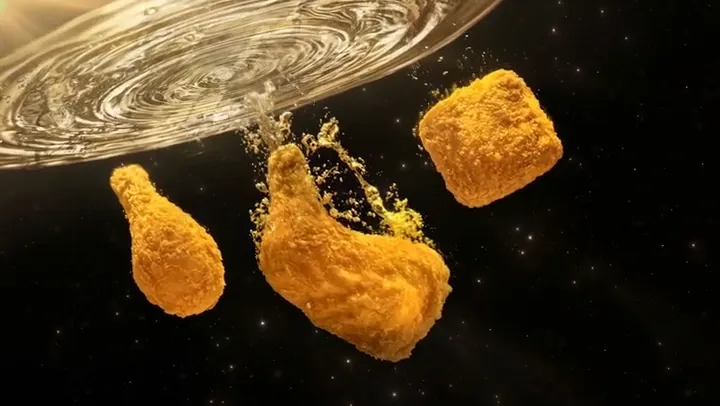
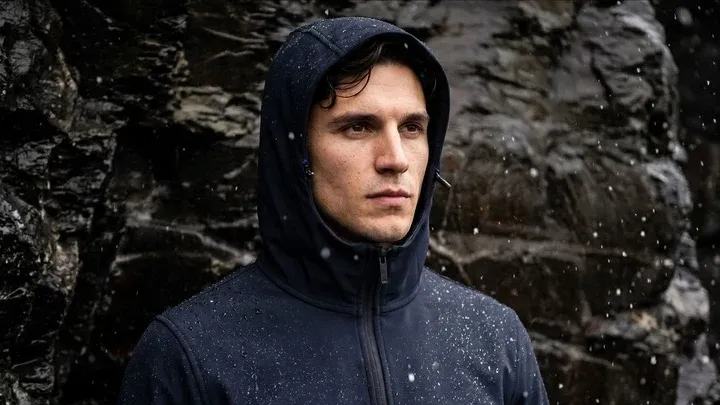
AI video production agency campaign reel — LOOM Studio

AI Video Production

Campaign-grade visual storytelling — liberated from physical sets, crews, and production boundaries.

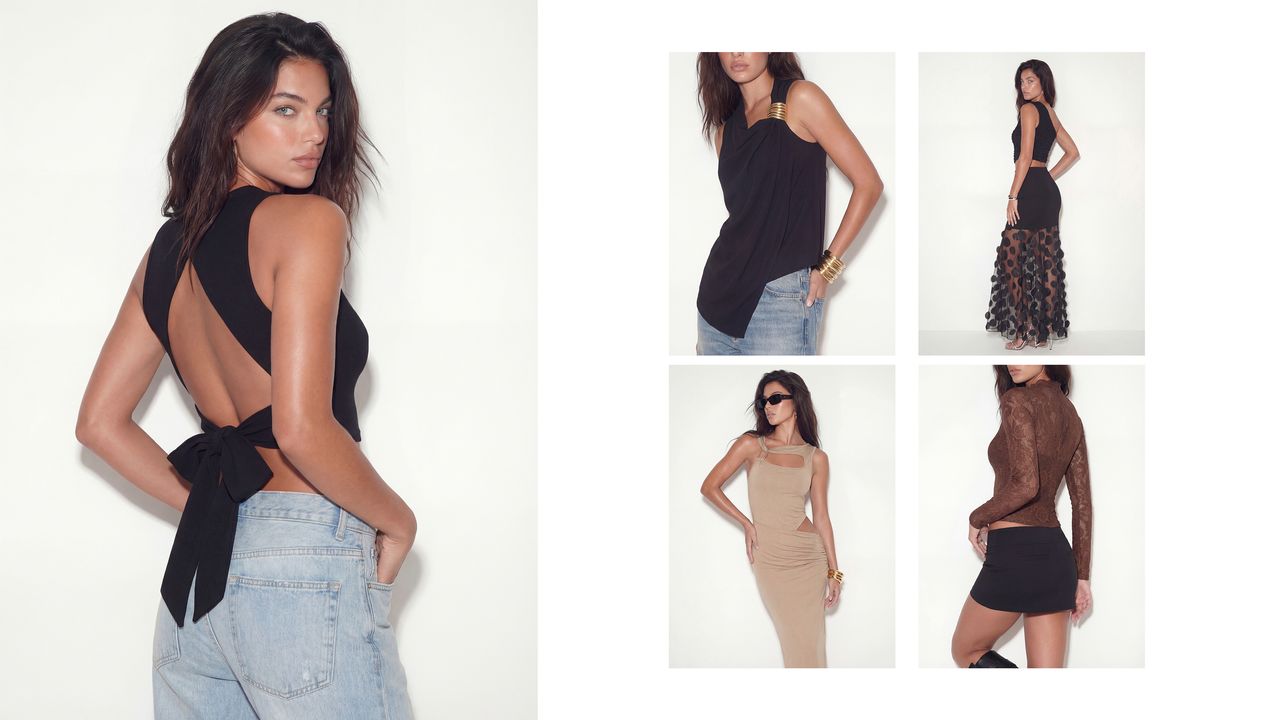
AI imagery production for fashion brand campaign — LOOM Studio

AI Imagery Production

Editorial-grade photography, ready for every SKU, every market, every channel, every moment.

LOOM Studio — client showcase preview

Recent Projects

AI e-commerce product imagery for online catalogue — LOOM Studio
E-commerce imagery

SHEIN

We produced AI product photos for SHEIN's online catalogue, taking products from brief to finished, publish-ready visuals. Our founders' background is fashion design, so we know how a garment should sit, drape, and photograph. It shows in the work.

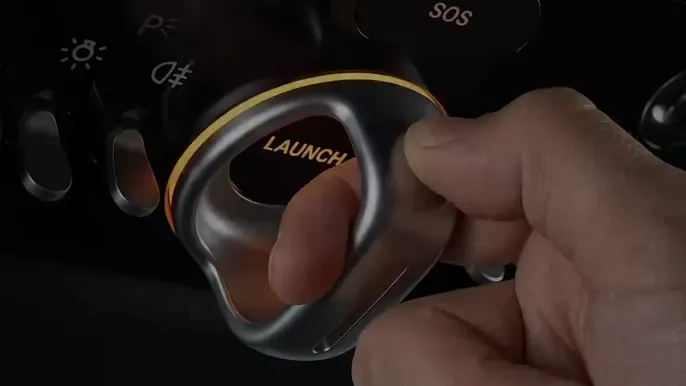
AI concept development video for automotive brand campaign — LOOM Studio
AI concept development

BMW

We worked with one of BMW's departments to develop an AI generated concept for their marketing team to evaluate. The material gave them a practical look at how generative imagery and video could support future campaigns.

AI VFX production for EV brand commercial — LOOM Studio
VFX production

EV Brand

We created the VFX visual effects for a TV commercial from an undisclosed Chinese EV brand. The brief came with a 24 hour turnaround, and we built the car a whole city to drive through.

Meet the team

Maggie Wu

Co-Founder, Marketing & AI Director
Maggie brings a fashion design and marketing background, with deep generative AI expertise. She leads our brand strategy and ensures LOOM Studio operates at the cutting edge of the latest AI technology

Kira Li

Co-Founder, Creative Director
Kira is one of the most distinctive creative talents in Asia, recognised as China Winner and Global Finalist of the H&M Design Award. A Tsinghua-trained designer with an exceptional artistic vision, she leads LOOM Studio's creative direction

Sander Claessens

Co-Founder, Business Director
Sander brings extensive financial and operational experience gained at leading global enterprises, and holds the CFA and CPA credentials. He ensures LOOM Studio is built to scale, overseeing strategy and operations

Work with us

Every project starts with a conversation

We’ll get back to you within one business day.

LOOM Studio — FAQ

FAQs

Still have questions?

(function () { var menu = document.getElementById('loom-blog-nav-mobile-menu'); var toggle = document.getElementById('loom-blog-nav-toggle'); if (!menu || !toggle) return; function toggleMenu() { menu.style.display = (menu.style.display === 'block') ? 'none' : 'block'; } function handleOutsideClick(e) { var clickedInsideToggle = toggle.contains(e.target); var clickedInsideMenu = menu.contains(e.target); if (!clickedInsideToggle && !clickedInsideMenu) { menu.style.display = 'none'; } } toggle.addEventListener('click', toggleMenu); document.addEventListener('click', handleOutsideClick); })();
LOOM Studio — Blog

Our Blog

Perspectives on AI production

AI campaign video production still — LOOM Studio

Most creative directors like the idea of AI production. But one question holds them back.

"What if our audience can tell, and turns on us?"

It's the wrong fear. Here's why.

Fashion advertising hasn't shown you a "real" photo in over thirty years. Every cover, every campaign, every spread has been worked over: skin smoothed, proportions adjusted, blemishes erased, backgrounds replaced. The audience was fully aware of this for decades. It was never hidden. It never slowed a single magazine's sales. The industry didn't shrink. Audiences didn't revolt. They just kept buying, kept watching, kept scrolling, while looking at images that were never fully real.

Video has the same story, on a bigger scale. Most commercials and movies you've watched in your life are partly or fully CGI. Car ads especially. Brands don't actually film a car drifting through a mountain pass, or a city skyline at sunset. They build it digitally, because the real version would mean road closures, stunt drivers, permits, weather risk, and a budget that makes no sense. The same logic scales all the way up to Hollywood's biggest releases. Avatar, the highest-grossing film of all time, is built almost entirely with CGI.

Audiences have been consuming edited, constructed imagery for decades. The acceptance has always been there, long before generative AI existed. What's actually damaging AI's reputation right now isn't the technology. It's how it's being used. Our social media feeds are full of 'AI slop' not because AI can't produce great work, but because making it look great takes the same creativity that's always separated a great image from a forgettable one. The tool has changed. The need for creativity didn't.

That's where we come in. LOOM Studio is founded by award-winning designers who have mastered the AI production tools. We create high quality campaign imagery and video for your brand, with an efficiency that traditional studios can't match.

Want to see what we can do for your next campaign?

Contact us
AI-generated fashion model for commercial campaign — LOOM StudioAI model generation for brand imagery — LOOM Studio

The secret to making AI-generated models look real? Imperfection.

We've generated a lot of different AI models for commercial campaigns, and we kept noticing the same thing. The better AI gets at skin texture generation, the more obvious it becomes that perfection is what gives AI away.

Real faces aren't clean. There's a tear trough under one eye, a mouth that sits a little forward, a lower nose bridge, a hairline receding at one corner, a hollow at the temple, eyes set a touch wide. Pick any face you actually find compelling and you'll find three or four of these on it.

So when we generate models at LOOM Studio, we add the flaws back in. Whether you're building products, brands, or images, the imperfections aren't bugs. They're what makes a face read as human.

In practice, this means prompting for specific asymmetries rather than leaving the model to default to symmetry. A slightly uneven brow, one eye marginally deeper set than the other, a natural hairline with a subtle widow's peak or recession. We also composite in fine surface detail like pores, faint lines, and the natural colour variation across skin that AI tends to smooth out unless you push back against it. The result is a face the viewer's brain doesn't flag as wrong, even if they can't articulate why.

Are you interested to learn what we can do for your brand?

Contact us
The brief as a production tool - LOOM Studio

The brief is the new production tool

In traditional production, the brief is where a campaign starts. You hand it to a director, a photographer, a crew. They interpret it, push back on it, bring their own instincts to it. A loose brief is fine because the people executing it have enough experience to fill the gaps.

In AI production, a loose brief is a problem. And most brands do not realise this until they see the output. The AI does not push back. It does not ask what you meant by "elevated" or "editorial." It generates the most statistically average version of what your words described. For a fashion brand, that means generic - a face that could be anyone, lighting that could be from any campaign, a composition that feels vaguely familiar because it is the midpoint of ten thousand similar images. The output is not wrong. It just has no point of view. And a campaign without a point of view is money spent on nothing.

In a traditional shoot, the creative gap between a brief and a great image gets closed on set. The photographer makes a call about the light. The art director shifts the model's weight. The stylist tucks the fabric differently. A hundred small decisions happen in real time that collectively turn a mediocre brief into a good campaign. In AI production, those decisions happen before generation, not during it. They live in the brief: the prompts, the reference images, the parameters, the constraints. This is why the brief is now the primary production tool. Not the AI model. Not the software. The brief.

What a campaign-quality brief actually looks like:

Not a prompt - prompts are instructions, a brief is architecture. It specifies the visual outcome, not the process. Not "a woman in a white dress in a bright studio," but the quality of the light, the emotional register of the image, the specific texture of the fabric, the way the composition should feel to someone scrolling past at speed. It anticipates the failure modes of the tools being used and pre-empts them.

The creative director is now a brief writer first:

In AI production, the creative director's primary output is not direction on a set - it is a document. At LOOM Studio, our briefs are written by award-winning designers who have worked in fashion at a high level. The visual standards in fashion campaigns are specific and unforgiving, and writing a brief that produces output to those standards requires knowing exactly what those standards are. In fashion, "not quite right" is the same as wrong.

The brief is also where speed comes from:

A campaign that would have taken six weeks can be delivered in days - but that speed compounds from a good brief. A vague brief creates iteration cycles that eat the time advantage whole. When the brief is precise, generation is fast and output is close on the first pass. The brands getting real speed from AI production are writing better briefs, not using better tools.

What to look for when evaluating AI production output:

Does the fabric texture hold up at full resolution? Is the lighting consistent across a sequence? Does the model read as a real person, or does something feel slightly off? Does the overall image have a point of view, or does it feel like the midpoint of a thousand similar references? A studio that has genuinely mastered the brief process will show it in the work - not just in impressive hero shots, but in the consistency and craft across everything they deliver.

Maggie Wu is Marketing and AI Director at LOOM Studio, an AI creative production studio based in Hong Kong.

Work with us